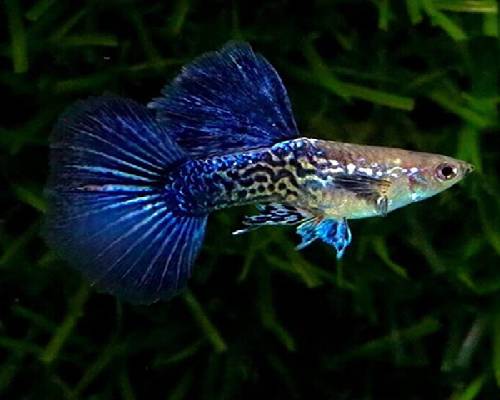
Plants, fish, and beneficial bacteria all depend on balance. When one element shifts too often, the entire ecosystem reacts. Owners who maintain consistency usually face fewer algae issues and healthier fish. A structured care routine also reduces long-term maintenance effort and prevents sudden water quality problems.
Essential Factors for Healthy Aquatic Plant Growth
Planted aquariums need more attention than standard fish tanks. They rely on proper lighting, nutrient balance, and controlled water flow. Without these, plant growth becomes weak and uneven.
Planted tank maintenance in Dubai often focuses on adjusting conditions to match local water and climate factors. Regular trimming, substrate care, and nutrient checks help plants stay strong and visually balanced.
Core maintenance steps for planted tanks
- Monitor nutrient levels to prevent deficiencies.
- Trim plants regularly to control growth patterns.
- Maintain steady lighting cycles for photosynthesis.
- Clean algae buildup before it spreads.
- Check water parameters weekly for stability.
Each of these steps supports long-term plant health and prevents system imbalance.
Equipment That Improves Filtration and Water Quality
Filtration plays a central role in aquarium stability. A strong filter system removes waste, improves oxygen flow, and keeps water conditions consistent. Without proper filtration, even well-designed tanks struggle.
A Fluval filter is used in both freshwater and planted setups because it provides efficient mechanical and biological filtration. It helps maintain clarity while supporting beneficial bacteria growth inside the tank.
Many aquarists combine strong filtration with regular water changes to maintain long-term balance. This reduces stress on fish and supports a cleaner environment. Retailers like Famous Pets offer equipment options that support different tank sizes and maintenance needs.
Identifying Early Signs of Aquarium Imbalance
Aquarium maintenance in Dubai requires attention to both environmental conditions and system performance. Heat, evaporation, and mineral levels can affect tank stability more quickly in this region.
Regular maintenance usually includes cleaning, water testing, and equipment inspection. Professional care ensures that issues are identified before they become serious problems.
Proper aquarium management focuses on prevention rather than correction. When systems are monitored, fish health improves, and upkeep becomes much easier for owners.